Designing for Discovery: How Art Helps Public Libraries Become Places of Learning
The most memorable public spaces are not simply designed to accommodate people. They are designed to bring people, ideas, and stories into conversation with one another.
Table of Contents
Introduction
As an architecture student, I was taught to think about libraries in terms of plans, sections, circulation, daylight, acoustics, shelves, vaults and structure. These are, of course, the essential building blocks of good design. But over the years, I’ve come to realize that what makes a library truly memorable cannot be measured on a drawing. Its greatest success lies in the unexpected conversations, discoveries, and human connections that unfold within its walls.
What makes a public library memorable? Is it the books on its shelves, the quiet reading rooms, or something less tangible?
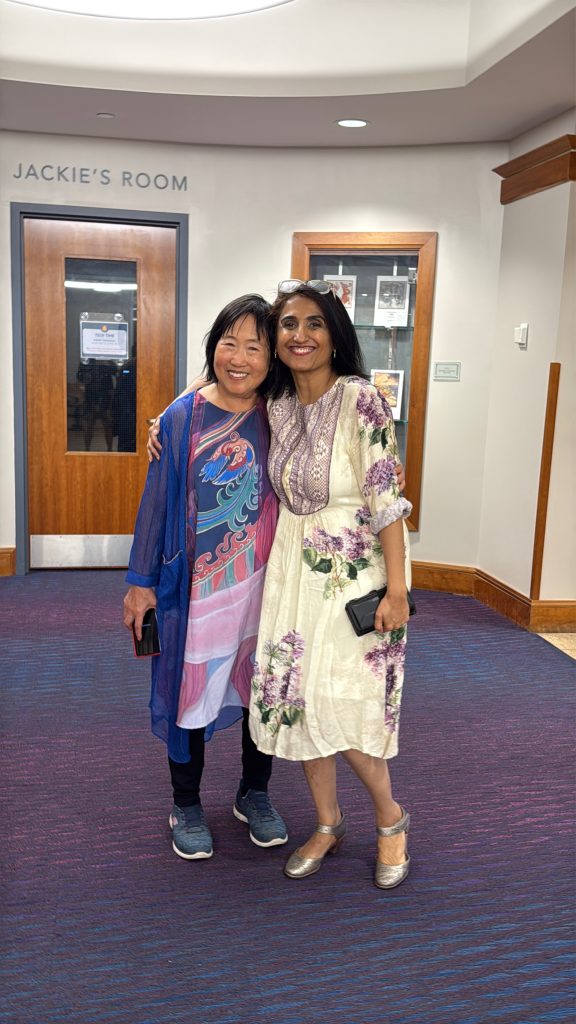
As an architect, I’ve come to believe that the most successful public libraries are designed not simply to house knowledge, but to create opportunities for discovery – through unexpected encounters, conversations, and shared experiences. While books remain at the heart of every library, art exhibitions, community events, and cultural programming expand what learning can look like. They transform libraries into living spaces where knowledge is not only accessed but also created through dialogue. Two conversations I had during the opening of Xiang Li’s Chinese Empresses exhibition at the Wellesley Free Library reminded me exactly why.
Two Conversations That Stayed With Me
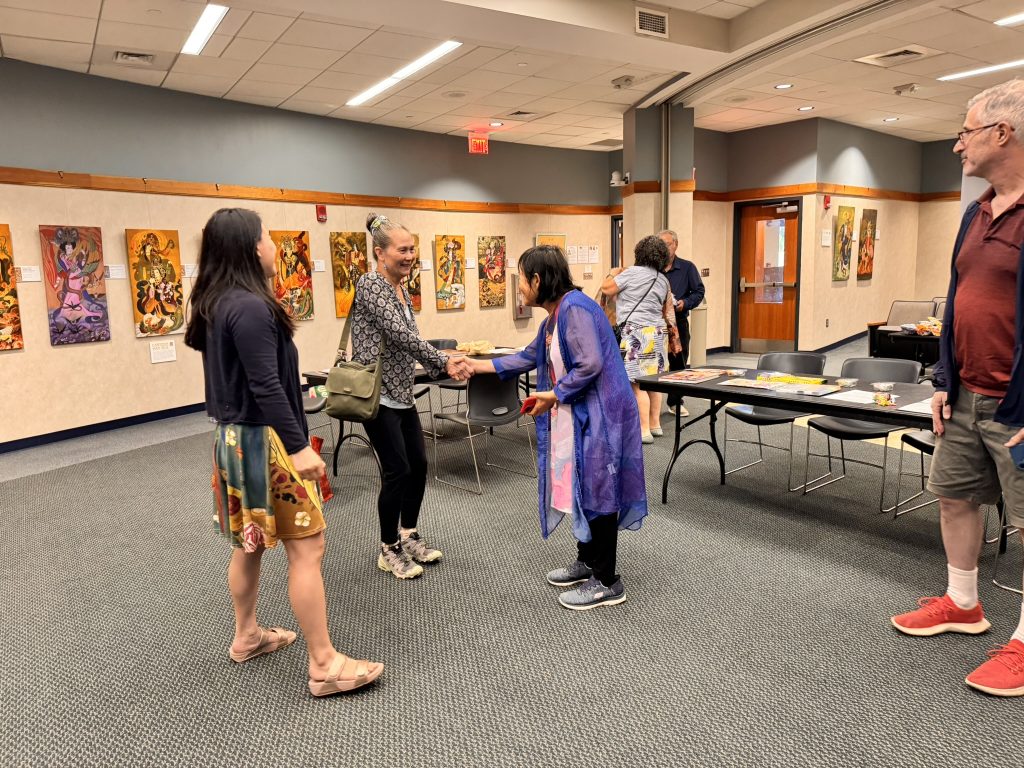
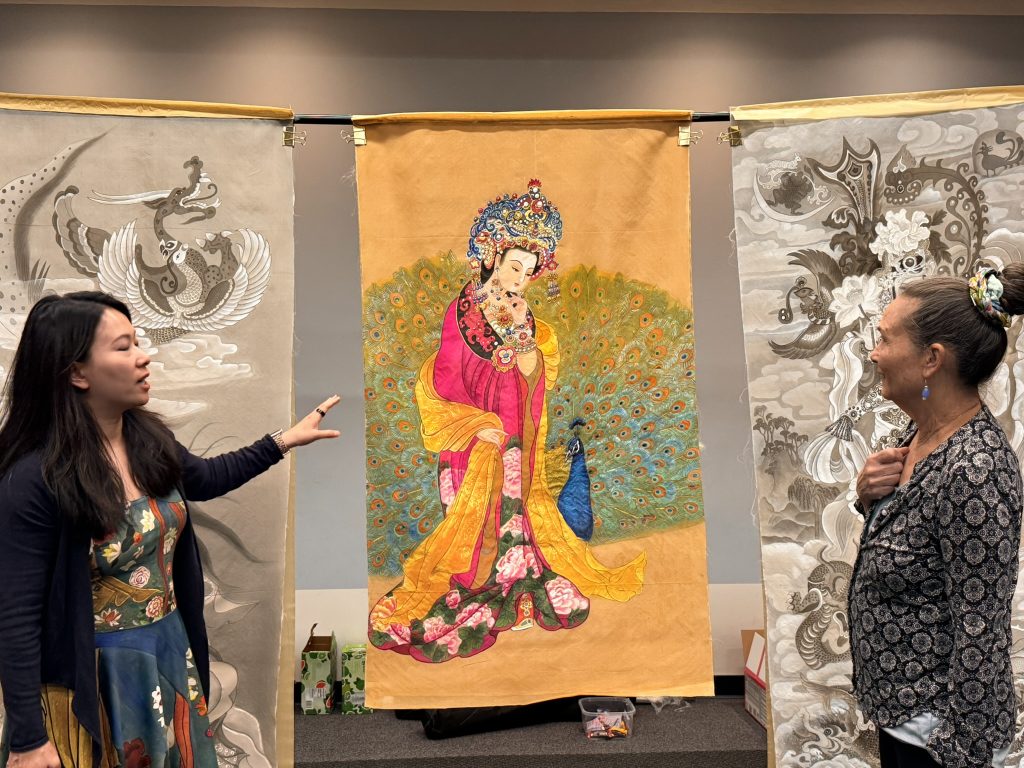
When I attended the exhibition opening last week, I expected to spend the evening admiring Xiang Li’s exquisite watercolor portraits of Chinese empresses and meeting members of the local community. I didn’t expect that two conversations, both with women who had come to the exhibition alone, would stay with me long after the evening ended. Neither conversation lasted very long, yet together they reshaped the way I think about public libraries, learning, and cultural heritage.
The first visitor I spoke with was a woman of mixed Chinese and European heritage. She was immediately captivated by Xiang Li’s paintings, yet she admitted something that surprised me. Despite being half Chinese, she knew very little about Chinese imperial history. Her interests had always been rooted more deeply in China’s Buddhist spiritual traditions than in its dynasties and empresses.
As we talked, she shared an idea that I found both imaginative and thought-provoking. She told me she regularly uses Oracle cards as a tool for self-reflection and personal growth. Looking at the portraits surrounding us, she smiled and said that if someone created an Oracle card deck featuring Xiang Li’s paintings of Chinese empresses, she would “buy it in a heartbeat.”
Her suggestion fascinated me because it represented a completely different way of engaging with history. Rather than approaching these remarkable women solely through textbooks or museum displays, an Oracle deck could invite people to encounter them as archetypes of wisdom, resilience, leadership, compassion, or courage. Whether or not such a deck is ever created, the conversation reminded me that art can inspire entirely new pathways for learning—ones that are deeply personal, emotionally engaging, and capable of connecting history with contemporary life.
Later that evening, I found myself speaking with another visitor whose story touched me in an entirely different way.
She was a quiet Chinese woman who had recently immigrated to the United States. She described herself as a full-time homemaker, an artist, and the mother of two teenagers. Throughout most of the evening she remained quietly observant, taking in the exhibition while speaking very little. As the event began winding down, however, she slowly opened up and shared her story with me.
She told me she was taking English classes and was still learning to communicate in her new language. Although speaking English was difficult, she patiently stitched together words and phrases to express herself. There was something deeply moving about our conversation—not because of what was lost in translation, but because of how determined she was to connect.
Then she surprised me.
She showed me photographs of her own paintings on her phone. She is an oil painter whose work is strikingly different from Xiang Li’s meticulous watercolor portraits. Her paintings are semi-abstract and deeply introspective, inspired by the quiet rhythms of everyday domestic life: moments with her children, preparing meals, cleaning the house, and even the comfort of her favorite corner at home. Through these seemingly ordinary subjects, she explores her inner emotional landscape with remarkable honesty.
I was captivated by her work and immediately followed her on Instagram. Looking at her paintings, I realized they had become another language, one that allowed her to communicate thoughts and emotions that spoken English could not yet fully carry. Her canvases quietly expressed an inner world that words were still struggling to reach.
As our conversation continued, another unexpected revelation emerged. Despite growing up in China, she told me she knew very little about Chinese imperial history or the traditional Chinese watercolor techniques that Xiang Li employs. Seeing the exhibition had sparked a genuine curiosity to learn more about the empresses, their stories, and the artistic traditions represented in the paintings.
That moment challenged one of my own assumptions. It is easy to imagine that cultural heritage is automatically inherited simply because of where we are born. Yet both women, one of mixed Chinese heritage and the other born and raised in China, described feeling disconnected from this particular chapter of Chinese history. Their life experiences could not have been more different, yet they arrived at the exhibition with the same sense of curiosity and left wanting to learn more.
It made me realize that heritage is not simply something we inherit. It is something we continually discover, reinterpret, and reconnect with throughout our lives.
Beyond Books
Those two conversations changed the way I think about public libraries. Neither woman came looking for a history lesson, yet both left with a deeper curiosity about Chinese heritage—and I left with a deeper appreciation of how learning often begins. Not with a book or a screen, but with a work of art, a shared space, and a conversation between strangers.
As an architect, I often think about how buildings shape human experience. That evening reminded me that the true success of a public library cannot be measured by its shelves or square footage alone. Its greatest strength lies in its ability to bring people, ideas, and cultures into conversation. Through exhibitions like Chinese Empresses, libraries become more than places of information—they become places of discovery.
Looking back, I realize that nothing extraordinary about that evening would have appeared on an architectural drawing. The floor plan, walls, and windows tell only part of the story. What made the Wellesley Free Library remarkable were the human connections it quietly made possible.
Perhaps that is the highest aspiration of architecture: not simply to design beautiful spaces, but to create the conditions for discovery, dialogue, and human connection.
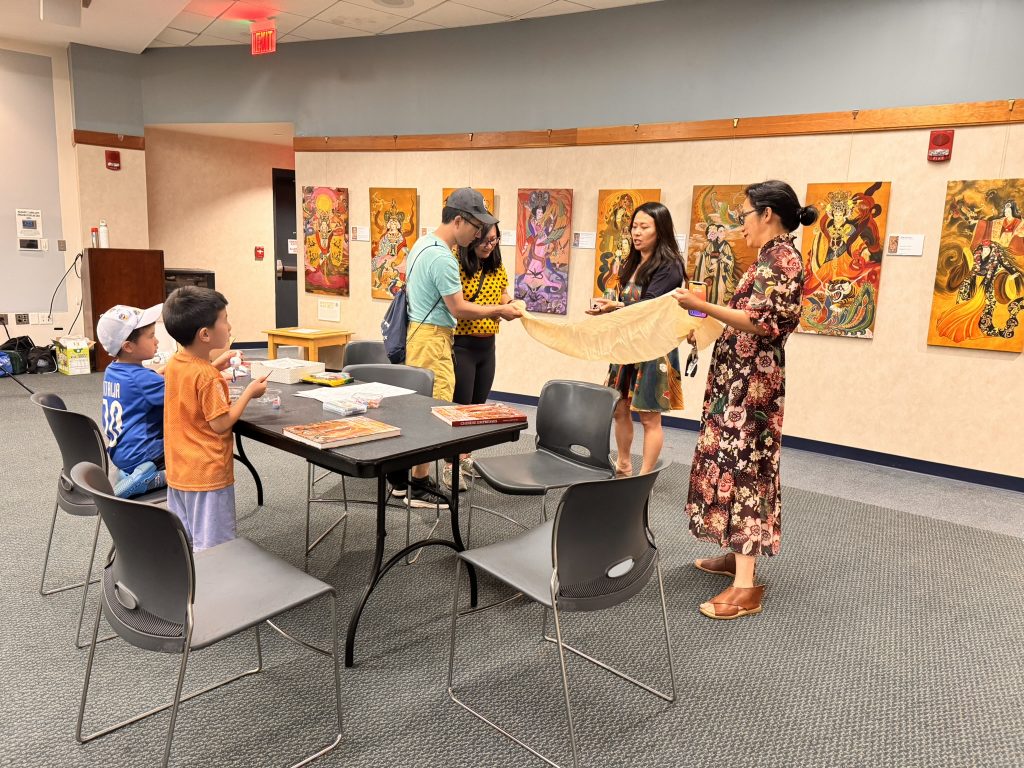
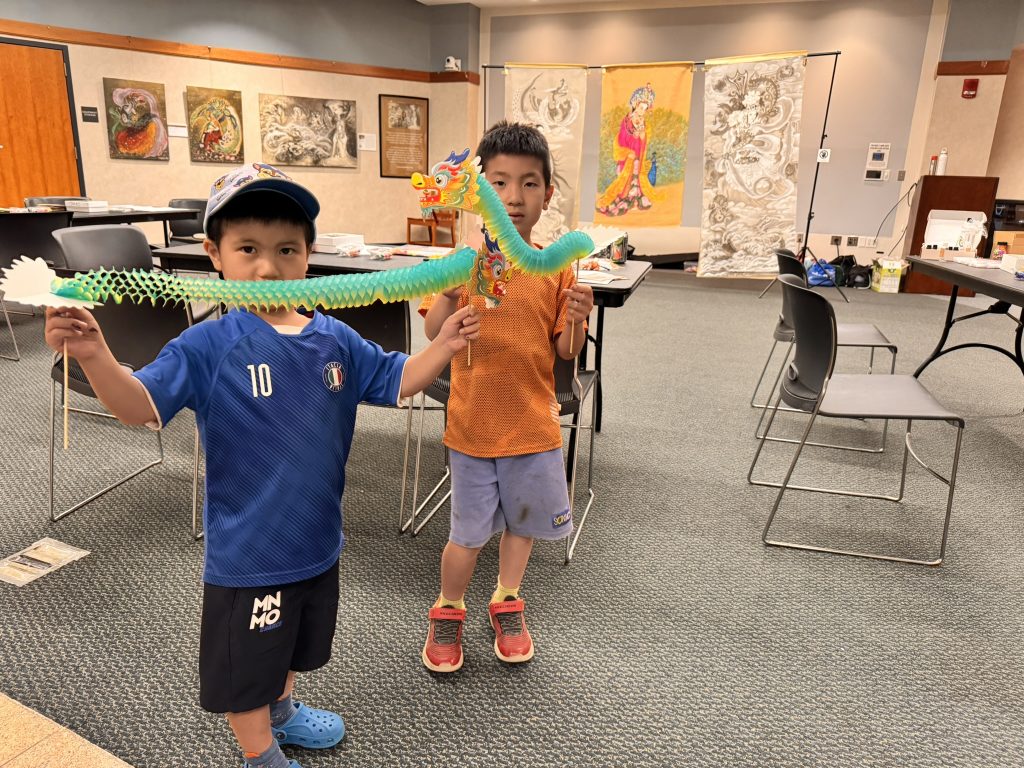
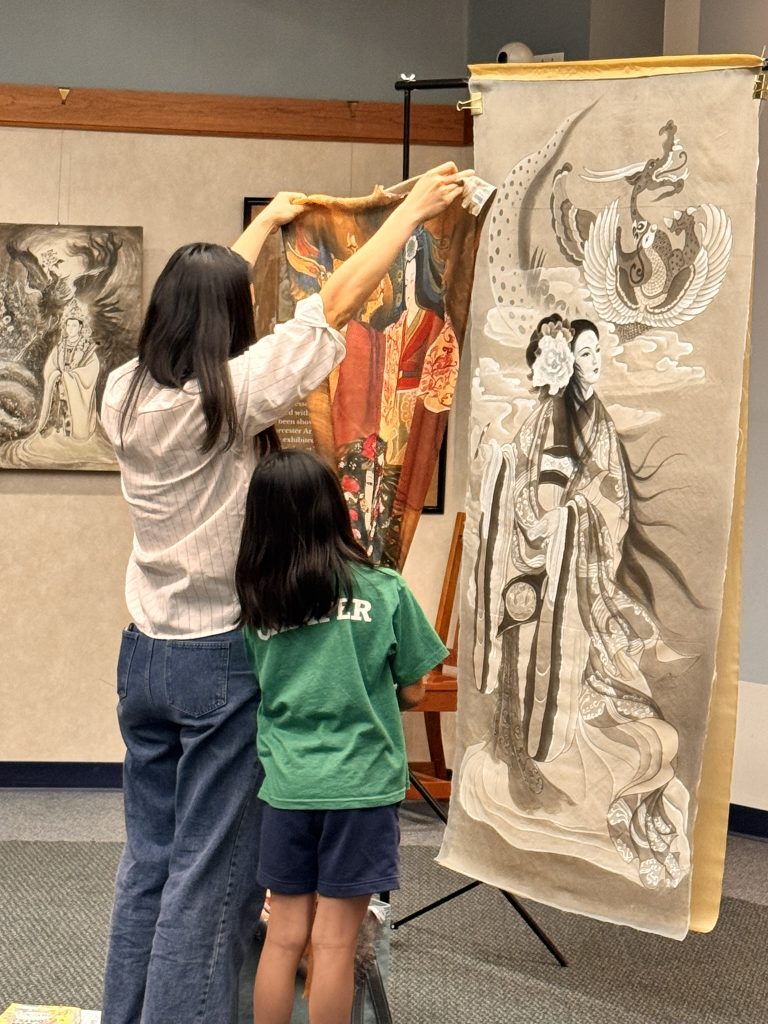
Photo Gallery of the Opening of Chinese Empresses Exhibition at Wellesley Free Library