Photos to Paintings: Can AI Transform Art Without Replacing Its Soul

Table of Contents
Introduction: A New Era for Creativity
Have you ever wished you could transform a simple photograph into a gallery-worthy painting? With the rise of AI tools like ChatGPT’s DALL-E, MidJourney, and others, this dream is now a reality. What’s even better is that these AI tools don’t just churn out stiff, digital-looking designs anymore; they create art that feels natural, textured, and remarkably human-made.
But while AI art is easier and more accessible than ever, let’s not forget the irreplaceable charm of original, handmade art. This blog dives into how AI is revolutionizing art, what it means for creativity, and the role of human imagination in shaping this transformation.
The Art Revolution: From Vision to Creation through Generative AI
Creating digital paintings used to feel cold and mechanical. Today, tools like ChatGPT and DALL-E can take detailed descriptions and turn them into visual masterpieces that feel almost handmade. Let me give you a few examples from my journey.
I like to do photography as a hobby. And I have deep admiration and fascination for traditional forms of art. To explore my creative curiosity about generative AI tools for art, I recently used Dall-E to convert some of my photos to paintings. Here are three examples:
- Photo of a Pelican on a pier, is transformed into an impressionistic painting evoking a coastal, vibrant feel
- Photo of a White Heron perched on the pier is transformed into a dreamlike sequence.
- A cozy portrait of my Poodle looking at me with devotional love, is transformed into a rich oil painting that is equally adorable.


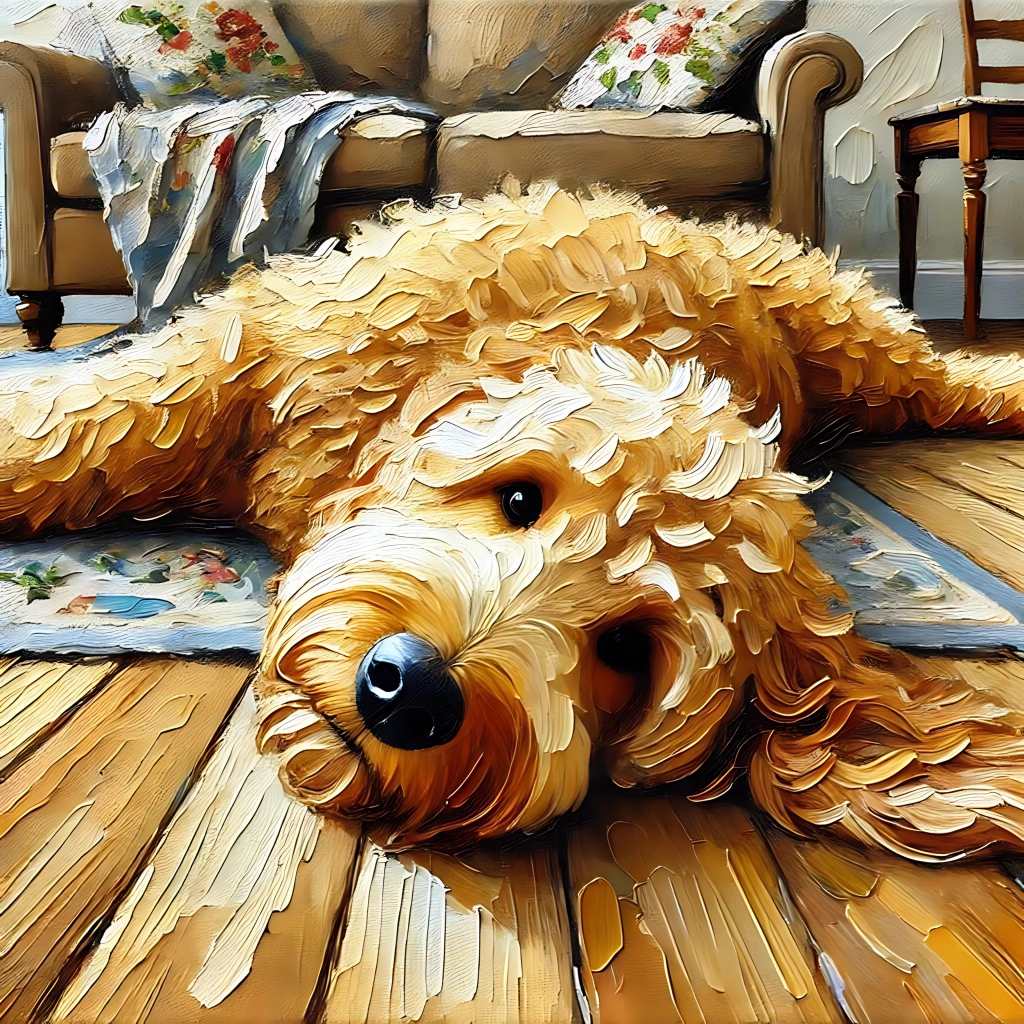
After generating these artworks, I listed them on Etsy, and they resonated with many buyers, even more than my original photos. This experience reaffirmed my belief that AI art can still be a creative endeavor when guided by human vision.
Creativity is Still the Key to AI Art, but it has a New Meaning
Despite how easy AI has made digital art creation, creativity remains the essential ingredient. AI does not “think” or “imagine”—it follows instructions. This means that the true artistry lies in how well a person conceptualizes their vision and describes it to the AI tool.
The new skill set for AI artists includes:
- Imagination: Deciding what you want your painting to depict. This might involve picturing your dog as the centerpiece of a cozy, handmade-looking scene or envisioning a heron in an impressionist seaside setting. Let your creativity run wild—after all, the world (aka AI in this case) is your canvas!
- Creative Description: How well can you describe your vision? Crafting a detailed, expressive prompt that brings the vision to life is the new required skill
- Aesthetic Judgment: The first AI-generated image might not be perfect. Selecting, tweaking, and refining AI-generated images to enhance realism and artistry, is key to achieving the desired result.
This combination of photography, imagination, and precise communication creates something that feels deeply personal, even though it was generated with AI.
Making Art Accessible for All
Traditionally, owning art that looks like it belongs in a gallery has been reserved for the wealthy. But AI tools have democratized this. Now, you don’t need to spend thousands of dollars to have a custom painting of your pet or a beautiful landscape for your wall. You can create it yourself by collaborating with AI to make it affordable and accessible.
That’s not to say handmade art isn’t valuable anymore. Quite the opposite. The uniqueness and emotional connection of an original, hand-painted work of art remain irreplaceable. But for those of us who might never own an original Van Gogh or Picasso, AI-generated art offers a taste of that beauty at a fraction of the cost.
The Future of Handmade Art: Endangered or Elevated?
As I reflect on my own AI art journey and my digital strategy work for the Chinese master watercolor artist Xiang Li, I find myself asking some big questions. Her artworks are deeply rooted in rich narratives and showcase a distinctive, personal artistic style. I cannot imagine any AI tool truly replicating the depth and essence of her creations!
While AI has made high-quality digital art more common, I firmly believe that handmade, original paintings by human artists will remain precious and sought after. In fact, they may become even more exclusive and valuable as AI art becomes mainstream.
Some questions to consider:
- Is AI-generated art truly creative? If an artwork is based on a personal photograph and an artistically refined prompt, does it count as an original creation?
- Will AI replace human artists, or will it elevate their work? Will artists become rarer, or will their handmade works become even more special and desirable? I personally wish for and belive in the latter
- How will AI impact the definition of fine art? How will collectors and art enthusiasts shift their appreciation toward handmade works as a mark of authenticity? Platforms like SaatchiArt, long celebrated for connecting collectors with original fine art, served up over 500 AI-generated works when I did a quick search on their portal. This shift raises critical questions: Will AI-generated art be valued as a legitimate creative expression, or will it drive a renewed demand for human-made pieces as a mark of authenticity and creativity?
Final Thoughts: The Future is Hybrid
I see a world where AI and human artistry coexist, complementing each other rather than competing. AI is a powerful tool for creative expression, but it is not a replacement for human imagination, emotion, and craftsmanship. The role of an artist is evolving—from traditional techniques to digital storytelling and AI mastery.
In the world of art commerce, I think the art market is at a crossroads, where innovation and tradition will be in constant dialogue – perhaps indefinitely. Only time will tell how the balance unfolds.
So, what do you think? Are original handmade paintings going to become rarer and more exclusive, or will AI fundamentally change the way we value art?

Love it! To me, the AI images you’ve shown do feel warmer and more personal that many of the ones I’ve seen.
Has your work with AI art changed how you do photography in any way?
Thank you for reading Adam! 🙂
Completely agree with what Adam said! I love the hybrid approach and thinking behind Ai and original art (instead of VS.) Good work Tripti! Your personal stories really resonate with me. I also love how you’ve already made plenty of sales on Etsy, bravo! Such high reviews and response rate. I’m so proud of you.
Thank you Fei!